
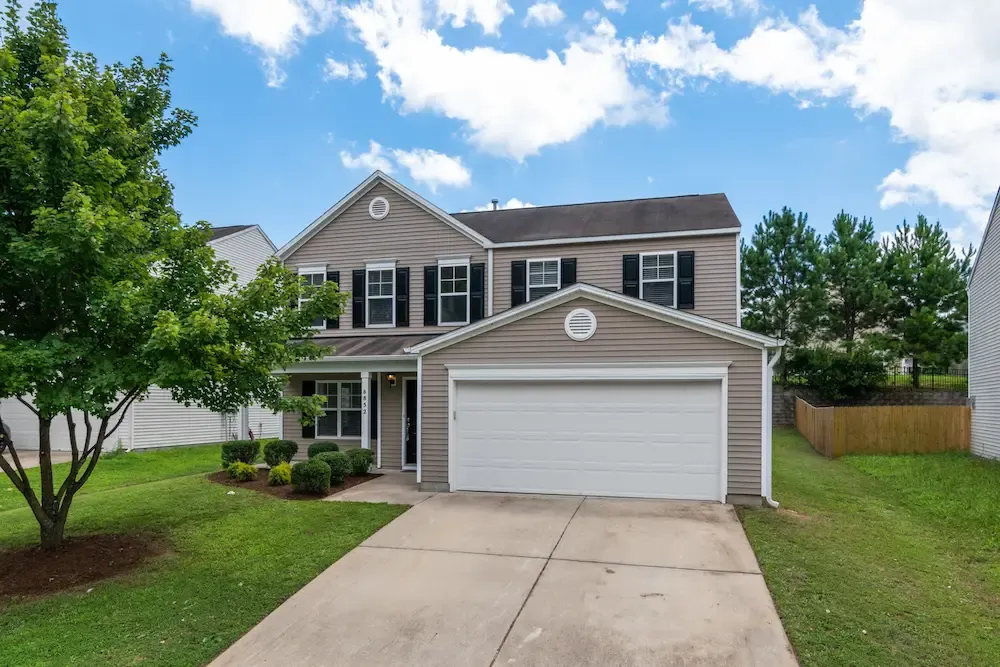
What Is Composite Siding? Cost, Options & How It Compares to Other Materials
Composite siding isn’t a single material. Instead, it describes several manufactured siding products, not one material. Each product combines two or more components to create a finished board or panel. Those components may include cement, wood fibers, resins, waxes, or polymers. As a result, two products labeled composite can perform very differently.
This guide explains composite siding options, pricing, and installation factors. It answers questions about composite siding vs vinyl, composite siding vs fiber cement, and composite siding vs hardie board. Therefore, you can compare materials more clearly.
What Is Composite Siding?
In practical terms, composite siding is made by combining different materials into one manufactured product. The finished material may gain strength, stability, moisture resistance, or a wood-like surface as a result of that process. However, those benefits depend on the product, its coating, and its installation.
The term composite siding can be confusing because it refers to a broad category rather than one material. Fiber cement, engineered wood, and polymer-based systems all qualify. Fiber cement combines cement, sand, water, and cellulose fibers. Engineered wood uses strands or fibers with resins and waxes. Polymer products primarily consist of plastics and may include a rigid backing.
Because these products differ considerably, homeowners should ask which composite type a contractor recommends, who makes it, and what care it requires.
Types of Composite Siding: What Are Your Options?
As a homeowner comparing composite siding options, you should consider cost, appearance, fire resistance, maintenance needs, and performance in the local weather. Most composite siding for houses falls into three categories.
Fiber Cement Composite Siding
Fiber cement uses Portland cement, sand, water, and cellulose fibers. James Hardie lists these materials and states that its products are noncombustible or carry a Class A fire rating in accordance with listed tests. Paints and coatings may still char during a fire.
This material resists rot and comes in several profiles, including lap siding, shingles, and panels. It can also accept new paint when the finish needs an update. However, fiber cement is heavy. Cutting it also requires proper dust controls and product-specific tools.
Affordable Siding, Windows & Roofing installs James Hardie siding in North Carolina and South Carolina. The product may suit homeowners who place fire performance and a firm board feel high on their list.
Engineered Wood Composite Siding
Engineered wood siding uses wood strands or fibers bonded with resins and waxes. For example, LP says its SmartSide process treats wood strands with zinc borate, resins, and waxes. These ingredients help the product resist moisture, fungal decay, and termites.
Engineered wood weighs less than fiber cement and often installs faster. It can also resemble wood grain. Still, crews must leave correct gaps, seal exposed cuts, and follow flashing rules. Moisture can cause problems when installers skip these details.
This category can work well for homeowners who want a wood-like finish with less weight. However, product warranties, finishes, and fire performance differ by manufacturer.
Polymer and Insulated Composite Siding
Polymer composite siding uses plastic-based materials, sometimes with foam or another rigid core. It absorbs little water and needs limited routine care. In addition, its light weight can simplify handling.
Cedar Ridge siding is one composite system offered by Affordable Siding, Windows & Roofing. The company describes it as a composite product with a protective surface and rigid backing. It is not the same material as wood-strand engineered siding.
Some polymer products have less surface depth than fiber cement or engineered wood. Availability also varies by contractor. Therefore, view full-size samples before choosing a product.
Composite Siding Cost: What to Budget for Your Project
Before estimating the cost of a project, confirm the specific type of composite siding being considered. National estimates place installed engineered wood at $4 to $13 per square foot. Fiber cement often runs from $5 to $14 per square foot. However, local bids vary.
Your composite siding cost depends on the product line, finish, wall area, and number of stories. Removal and disposal of old siding also affect labor. In addition, damaged sheathing, trim work, and access limits can raise the total.
NC and SC homes need sound moisture details. Therefore, a contractor may include wall repairs, flashing, or weather barrier work. Those steps can change the quote, yet they help protect the new siding system.
A second composite siding cost factor is maintenance. Vinyl often costs less at first. Some composites provide a firmer surface or different finish options. Compare the estimate, warranty, upkeep, and repair needs. Then request a written quote based on your home.
Composite Siding vs. Vinyl Siding: How Do They Compare?
Understanding the differences between composite and vinyl siding can make it easier to compare the two options. Vinyl is often the lower-cost option. It is also light and does not need painting. Composite products vary, but many provide thicker profiles or wood-style textures.
| Factor | Composite Siding | Vinyl Siding |
|---|---|---|
| Initial price | Usually higher, depending on type | Usually lower |
| Weight | Light to heavy | Light |
| Finish | Wood grain, smooth, or formed profiles | Many colors and profiles |
| Maintenance | Varies by material and finish | Cleaning and damage checks |
| Fire performance | Varies; fiber cement has tested ratings | Product and assembly dependent |
| Installation | Product-specific tools and details | Usually faster to handle |
However, composite siding vs vinyl is not a simple quality ranking. Vinyl siding may fit a budget-first project. Fiber cement may suit a homeowner focused on tested fire performance. Meanwhile, a rigid-core composite may appeal to someone comparing insulation and surface strength.
Composite Siding vs. Fiber Cement and Hardie Board
Comparing composite siding vs. fiber cement can be misleading because composite siding is a broad category, while fiber cement is one type of composite siding. Fiber cement is composite siding because it combines cement, sand, water, and cellulose fibers. Therefore, the useful question is which composite type fits the home.
The same issue appears with composite siding vs hardie board. Hardie board is a common name for James Hardie fiber cement siding. It is a brand and product family, not a separate material category.
Fiber cement leads many wood-based and polymer products in tested fire performance. Engineered wood and polymer systems weigh less. For appearance, compare samples in daylight. Also, review maintenance instructions before selecting any composite siding for houses.
Homeowners researching composite siding vs fiber cement should compare exact products, not broad names. Likewise, a composite siding vs hardie board search should lead to product data, local pricing, and installation requirements.
Composite Siding Installation: What Homeowners Should Know
Proper installation plays an important role in how the siding performs. A typical composite siding installation starts with removing old material. Next, the crew checks the sheathing, flashing, and weather barrier. Installers then cut, fasten, seal, and trim the siding.
However, each product has different rules. Fiber cement requires dust management and the use of approved cutting methods. James Hardie also publishes instructions for clearances, fastening, and weather barriers.
Engineered wood is lighter, yet moisture control remains important. Crews must seal exposed cuts and leave specified gaps. Polymer systems also need correct fastening space because materials can move with temperature changes.
For these reasons, composite siding installation is rarely a simple weekend project. Product instructions affect performance and warranty coverage. An experienced crew can also spot hidden wall damage before covering it.
Affordable Siding, Windows & Roofing provides siding installation for James Hardie, Cedar Ridge, and vinyl products across its NC and SC service areas.
Compare Composite Siding Options for Your Home
Affordable Siding, Windows & Roofing has served area homeowners for over 20 years. The company installs James Hardie, Cedar Ridge, and vinyl siding. Browse our siding services or request a free estimate. You can also call to discuss composite siding options for your home.