
What Is Fiber Cement Siding? Pros, Cons, Costs, and Comparisons
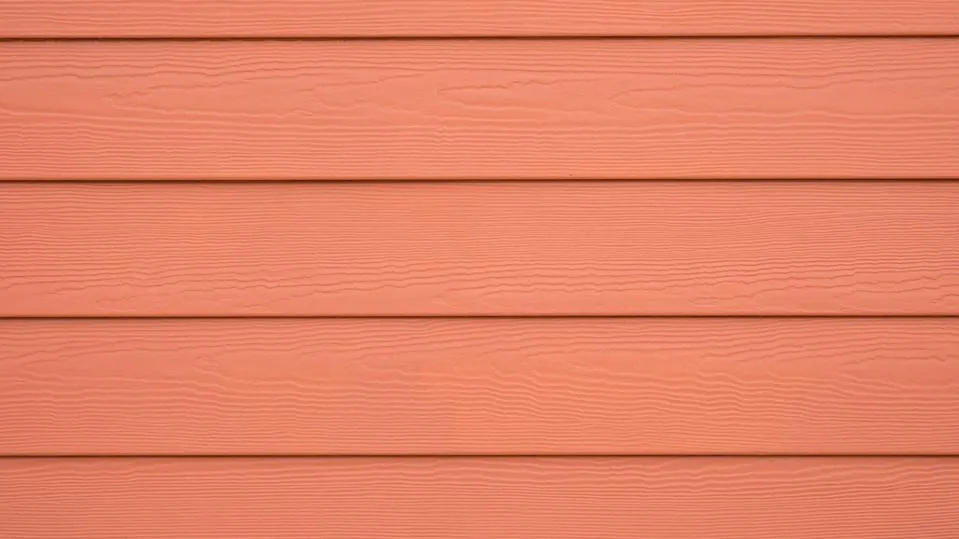
Fiber cement siding is an exterior cladding made from Portland cement, sand, cellulose fibers, and water. Manufacturers form this mixture into planks, shingles, or panels for residential exteriors. The finished boards feel solid and can hold a clear painted-wood texture.
Homeowners often compare it with vinyl and other composite products. However, each option differs in price, weight, upkeep, and installation needs. This guide covers what fiber cement siding is, how manufacturers make it, and where it may fit. It also reviews fiber cement siding pros and cons, current cost estimates, material comparisons, and contractor selection.
What Is Fiber Cement Siding and How Is It Made?
Fiber cement siding is made from a blend of several key ingredients. Portland cement binds the product and gives it hardness. Sand adds density, while cellulose fibers help the board resist brittleness. Water allows manufacturers to mix and form the material.
Manufacturers press the mixture into boards, panels, or shingle shapes. Next, they cure the material until it forms a dense sheet. Some products receive a factory finish. Others arrive primed for paint after installation.
Fiber cement is thicker and more rigid than standard vinyl siding. Therefore, it can hold pronounced grooves and a clear wood-grain pattern. James Hardie is a major fiber cement brand. Nichiha also sells fiber cement products with varied profiles, finishes, and formats.
James Hardie products contain cement, sand, cellulose fibers, and water. In addition, the company offers primed boards and factory-finished ColorPlus products.
Fiber Cement Siding Pros and Cons
Understanding the benefits and limitations of fiber cement siding can help you decide if it’s the right fit for your home. A fair review of fiber cement siding pros and cons should cover both performance and ownership requirements.
Advantages of Fiber Cement Siding
Fiber cement resists rot because it does not provide the same food source as wood. It also holds little appeal for termites and other wood-boring pests.
Fire performance is another benefit. Many fiber cement products meet noncombustible or Class A test standards. However, homeowners should verify the rating for the exact product and finish. James Hardie publishes details on its fiber-cement fire and moisture performance.
The material also supports several exterior styles. Homeowners can choose lap boards, shingles, vertical panels, and smooth finishes. Paint flexibility may help during future updates. Primed fiber cement accepts exterior paint, while factory-finished boards arrive in selected colors.
James Hardie’s product and finish warranties include a 30-year non-prorated product warranty. ColorPlus finishes carry a 15-year limited warranty covering specified finish problems and labor.
Humid summers and storm-driven rain place regular pressure on exterior materials in North Carolina and South Carolina. Proper installation remains essential, especially around windows, doors, trim, and wall penetrations.
Disadvantages of Fiber Cement Siding
The main drawback is the initial price. Materials usually cost more than vinyl. Labor also costs more because crews must handle, cut, position, and fasten heavy boards.
Fiber cement can crack if workers carry or fasten it incorrectly. As a result, installers need suitable tools and product-specific training. The work can also take longer than many vinyl projects.
Maintenance depends on the finish. Primed boards need paint after installation and later repainting. Factory finishes reduce early painting work. However, owners still need cleaning, caulk checks, and prompt repairs.
Cutting creates another concern. Power saws can release respirable crystalline silica from fiber cement boards. Therefore, OSHA requires specific silica controls for covered construction tasks. Professional crews should use approved tools, dust collection, and safe work practices.
These fiber cement siding pros and cons make contractor skill a major part of the decision. A strong product can still fail when crews ignore clearances, flashing, fastening, or moisture control.
Fiber Cement Siding Cost: What Homeowners Should Expect
After learning about fiber cement siding, homeowners often ask about the price. A current 2026 fiber cement siding cost guide places the cost near $5 to $14 per square foot. However, each home produces a different final price. Regional labor rates and material availability can also shift an estimate.
Several details affect the cost of fiber cement siding. Product style matters because shingles and detailed panels can require added labor. Factory-finished boards may also cost more than primed products. In addition, tall walls, complex corners, trim work, and limited access can increase labor time.
Removal also affects the estimate. Crews may need to remove old siding, repair sheathing, or correct moisture damage. Therefore, a price based only on wall area may miss important work.
Vinyl usually has a lower opening price. Fiber cement may provide a longer replacement cycle, but no contractor can promise the same result for every house. Installation, exposure, maintenance, and product selection all affect performance.
A local estimate gives the clearest answer. Affordable Siding, Windows & Roofing can inspect the exterior, review finish options, and explain the expected scope.
Fiber Cement Siding vs Vinyl: Which Is the Better Choice?
With the basics covered, you can now compare fiber cement vs vinyl siding based on cost, appearance, upkeep, and installation.
| Factor | Fiber Cement | Vinyl |
|---|---|---|
| Initial price | Usually higher | Usually lower |
| Weight | Heavy and rigid | Light and flexible |
| Installation | Needs trained crews and cutting controls | Usually faster to install |
| Appearance | Supports defined textures and paint | Offers many finished colors and profiles |
| Upkeep | Cleaning, caulk checks, and possible repainting | Cleaning and basic inspections |
| Fire response | Many products have tested fire ratings | Can soften or melt under high heat |
| Color changes | Can be repainted | Usually stays with the selected finish |
Choose vinyl siding when the initial budget and simple upkeep carry the most weight. By contrast, fiber cement may suit owners who prefer a rigid board, painted finish, or tested fire performance.
A useful review of fiber cement siding vs vinyl should also consider the house itself. Wall condition, exposure, design, and local labor can change the best choice.
Composite Siding vs Fiber Cement: Are They the Same?
The definition of fiber cement siding helps explain the phrase composite siding vs fiber cement. Fiber cement is technically a composite. It combines cement, sand, cellulose, and water into a single manufactured product.
However, contractors also use “composite siding” for other materials. Engineered wood siding uses wood fibers or strands with resins and protective treatments. Polymer products rely on plastic-based compounds.
When comparing composite siding vs fiber cement, check the product rather than the category name. Ask about its core material, moisture controls, fire tests, finish, warranty, and repair process.
Affordable Siding, Windows & Roofing also installs Cedar Ridge siding. The company describes Cedar Ridge as a composite siding option with rigid insulated backing. Therefore, it has a different build and performance profile from fiber cement.
Choosing the Right Fiber Cement Siding Contractors
Good contractors should explain the different types of fiber cement siding and how they perform before discussing a quote. Experienced fiber cement siding contractors should also know the manufacturer’s current installation rules.
First, ask how often the company installs fiber cement. Then, request completed project examples and references. A contractor should also explain fastening, flashing, clearances, and joint treatment in plain language.
Safety matters as well. Qualified fiber cement siding contractors should follow OSHA silica controls during cutting. Climate knowledge also helps.
James Hardie offers its HardieZone system for different regional conditions. Its HZ10 line addresses hot, humid southern weather and storm exposure. Therefore, installers should select the correct product and follow its matching instructions.
Affordable Siding, Windows & Roofing provides James Hardie siding and siding installation across parts of North Carolina and South Carolina. The company has served homeowners for over 20 years.
Ready to Consider Fiber Cement Siding for Your Home?
Now that you understand fiber cement siding, compare it with your budget, maintenance expectations, and long-term goals. Fiber cement, vinyl, and Cedar Ridge each offer different advantages depending on your priorities.
Affordable Siding, Windows & Roofing can review our siding services with you. The team installs James Hardie, Cedar Ridge, and vinyl siding across its service area. Request a free estimate or call to discuss your home.