
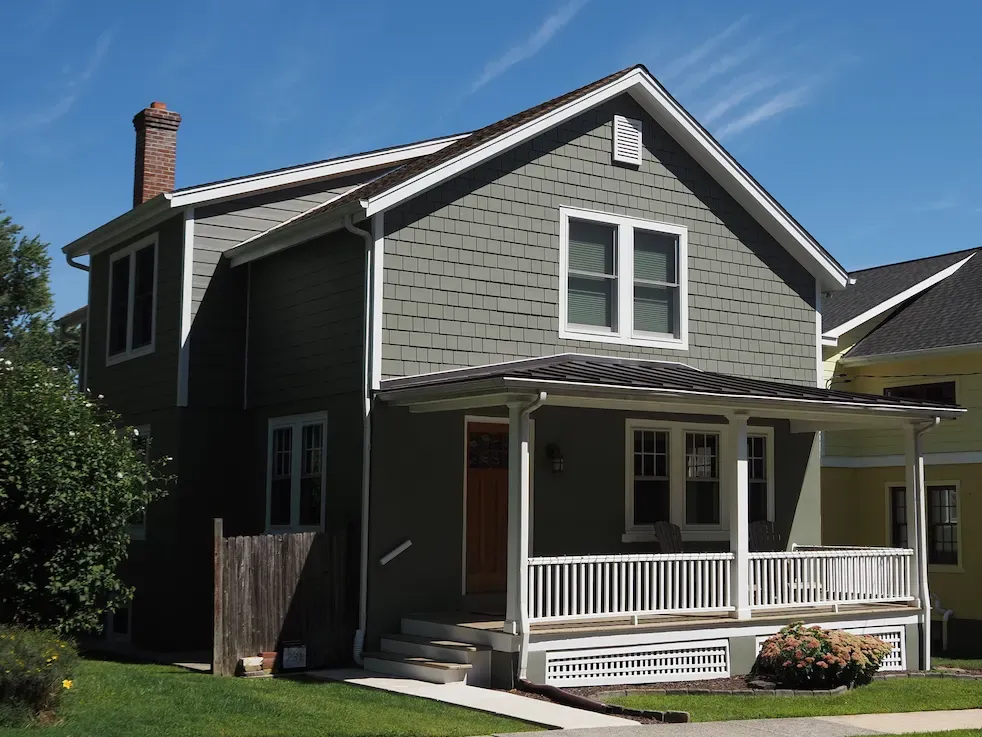
How Much Does New Siding Cost? A Homeowner’s Guide to Pricing
Replacing a home’s siding is one of the most impactful upgrades a homeowner can make. It changes how a home looks, how well it holds up against the elements, and often how much it costs to heat and cool. But before any project can begin, most homeowners have one straightforward question: what is this going to cost?
The honest answer is that siding prices vary widely. A modest ranch home in a rural area will come in at a very different number than a two-story colonial in a suburban neighborhood. Material choice, home size, labor rates, and even where you live all factor in. This guide breaks down the key variables so you can walk into the planning process with realistic expectations.
Average Cost Ranges for New Siding
For most homes, new siding installation falls somewhere between $5,000 and $20,000, with the national average hovering around $10,000 to $12,000 for a typical single-family residence. That range sounds wide because it is; the spread reflects how differently homes are built and how dramatically material costs differ from one product to the next.
Smaller homes under 1,500 square feet can sometimes come in below that range, while larger homes over 3,000 square feet, or those with complex rooflines and multiple stories, can push well beyond it. Thinking in terms of cost per square foot of siding installed (not square footage of living space) tends to give a more useful picture. Most materials range from roughly $3 to $15 per square foot installed, depending on what you choose.
What Drives the Price Difference?
Home Size and Complexity
The total surface area of siding to be covered is the starting point for any estimate. A larger home simply requires more material and more labor hours. Beyond square footage, architectural complexity matters too. Homes with lots of gables, dormers, trim details, or multiple stories take longer to install and require more precision from the crew. That additional labor time is reflected in the final price.
Siding Material
Material selection is usually the single biggest cost variable. Vinyl is typically the most budget-friendly option, while fiber cement and composite products sit at the higher end of the price spectrum. Within each category, there are also tiers, with basic entry-level products and premium lines that carry a meaningful price gap.
Removal of Existing Siding
In many cases, old siding needs to come off before new material goes up. That removal process adds labor time and disposal costs to the project. In some situations, new siding can be installed over the existing surface, but this depends on the condition of what’s already there and the type of product being installed. A contractor will assess this during the estimate phase.
Labor and Regional Rates
Labor costs are not uniform across the country, and that holds true even within individual states. In North and South Carolina, rates can vary between urban markets like Charlotte and more rural communities. Local demand, contractor experience, and project timelines all play a role. In general, more specialized work, like fiber cement installation, commands higher labor rates because it requires more skill and takes longer to complete correctly.
Condition of the Exterior and Underlying Structure
What’s underneath the siding matters. If a contractor removes the old material and finds moisture damage, rot, or compromised sheathing, those issues need to be addressed before new siding goes on. This is not uncommon in older homes or those that have experienced storm damage. Addressing structural problems adds to the overall cost but is essential for a long-lasting result.
Vinyl Siding: The Budget-Friendly Standard
Vinyl remains the most widely installed siding material in the US, largely because of its price point. For homeowners exploring vinyl siding options, installation costs generally fall between $3 and $7 per square foot installed, making it accessible for a wide range of budgets. It is low maintenance, holds color well, and has improved significantly in quality and appearance over the years. Premium vinyl lines with insulation backing or more realistic textures cost more but still typically undercut other materials on price.
Fiber Cement Siding: Durability at a Higher Price
Fiber cement is engineered to resist moisture, pests, fire, and impact better than most other siding materials. It is also paintable and can convincingly mimic the look of wood. The trade-off is cost and installation complexity. Fiber cement siding runs roughly $6 to $13 per square foot installed. James Hardie siding installation is one of the most requested fiber cement options, known for its long-term performance and strong warranty coverage. Homes in coastal or storm-prone areas often find the investment in fiber cement worthwhile given its resilience.
Composite Siding: Premium Performance, Higher Investment
Composite siding combines wood fiber, polymers, and binding agents to produce a product that looks like natural wood but does not carry wood’s vulnerability to rot or insects. It is a premium category, and pricing reflects that, typically ranging from $7 to $15 per square foot installed or more for top-tier lines. Cedar Ridge composite siding is one example of a product in this category, offering built-in insulation, extended panel lengths, and a high-end aesthetic. Homeowners who want the warmth of a wood look without the long-term maintenance costs often find composite to be a compelling option.
What to Expect in North and South Carolina
Regional factors shape siding costs in the Carolinas in a few specific ways. The climate here brings humidity, seasonal storms, and temperature swings, all of which influence what materials perform best and how contractors approach installation. Proper moisture barriers and ventilation matter more in this region than in drier climates.
Labor rates in the Charlotte metro area and surrounding communities like Mint Hill, Huntersville, Indian Trail, and Fort Mill, SC, tend to align with mid-range national averages. They are not as elevated as major northern metros but have risen in recent years alongside general construction demand across the region. Getting multiple quotes from local contractors is a smart way to understand what the market looks like in your specific area.
Getting the Most Accurate Number
No guide can replace an on-site estimate. Square footage calculations, material selections, and site-specific factors all need to be evaluated in person before a realistic number can be put forward. The team at Affordable Siding, Windows & Roofing offers professional siding installation services across North and South Carolina, working with homeowners to walk through options and costs in a way that fits their goals and budget.
Whether you are weighing materials, trying to understand what your home’s size means for the total, or simply want a clear picture before committing, getting a professional assessment is the right place to start. You can request a free siding estimate to connect with the Affordable Siding team and discuss your project.